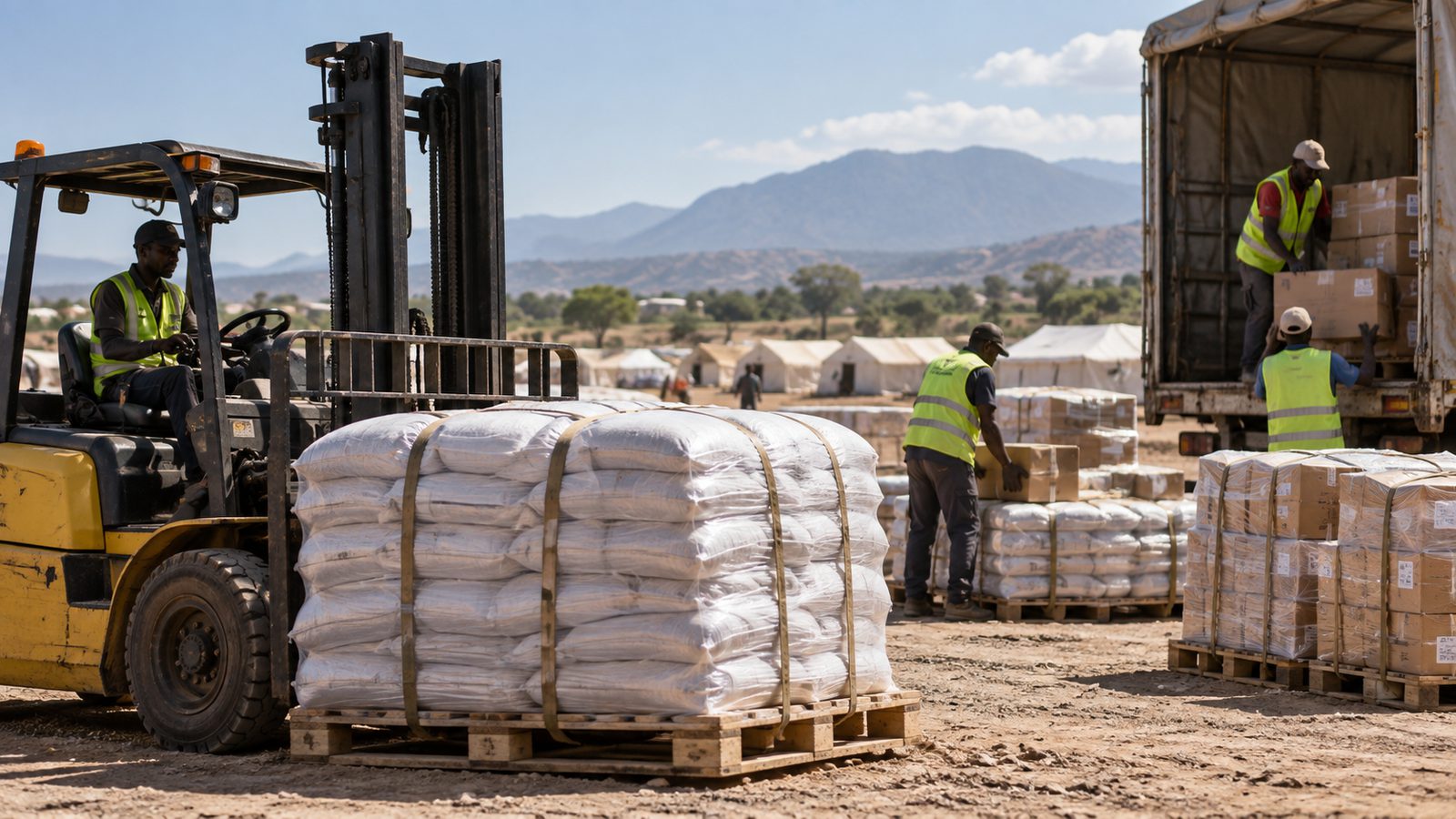
Humanitarian Operations
Modelling and optimising disaster response, from the distribution of relief and medical supplies to the evacuation of urban areas.
Dr Jose Escribano develops optimisation and AI methods for humanitarian logistics, unmanned aviation and autonomous fleets at Imperial College London.
Dr Escribano is recruiting PhD students in humanitarian logistics, unmanned aviation and autonomous fleets. Get in touch by Sunday 18 October 2026 for consideration in the first scholarship round.Get in touch by Monday 11 January 2027 for consideration in the next scholarship round.
Research areas and how to apply
Modelling and optimising disaster response, from the distribution of relief and medical supplies to the evacuation of urban areas.
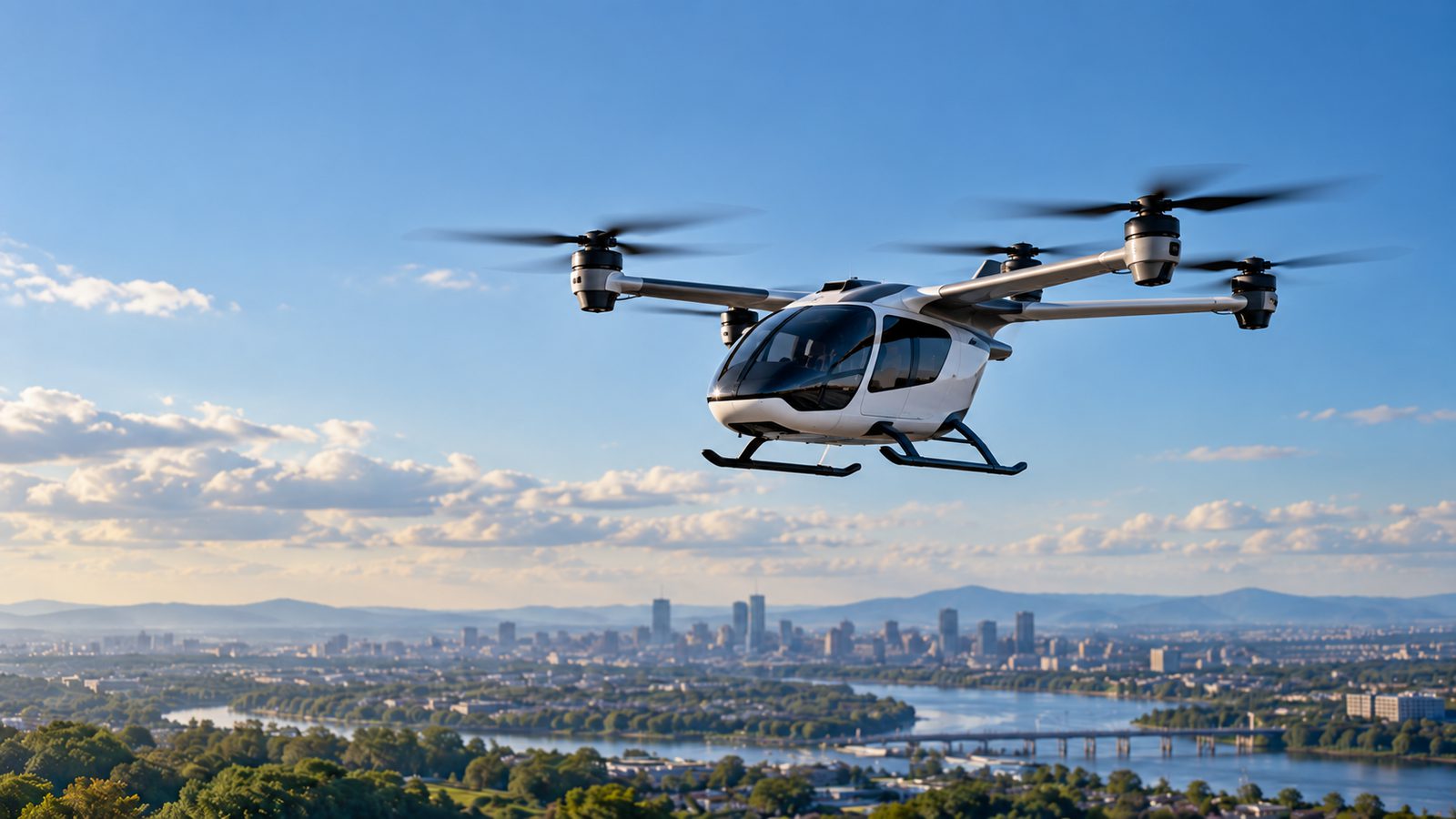
AI-based traffic management for manned and unmanned aircraft, from dynamic sectorisation and flow management to drone safety and vertiport networks.
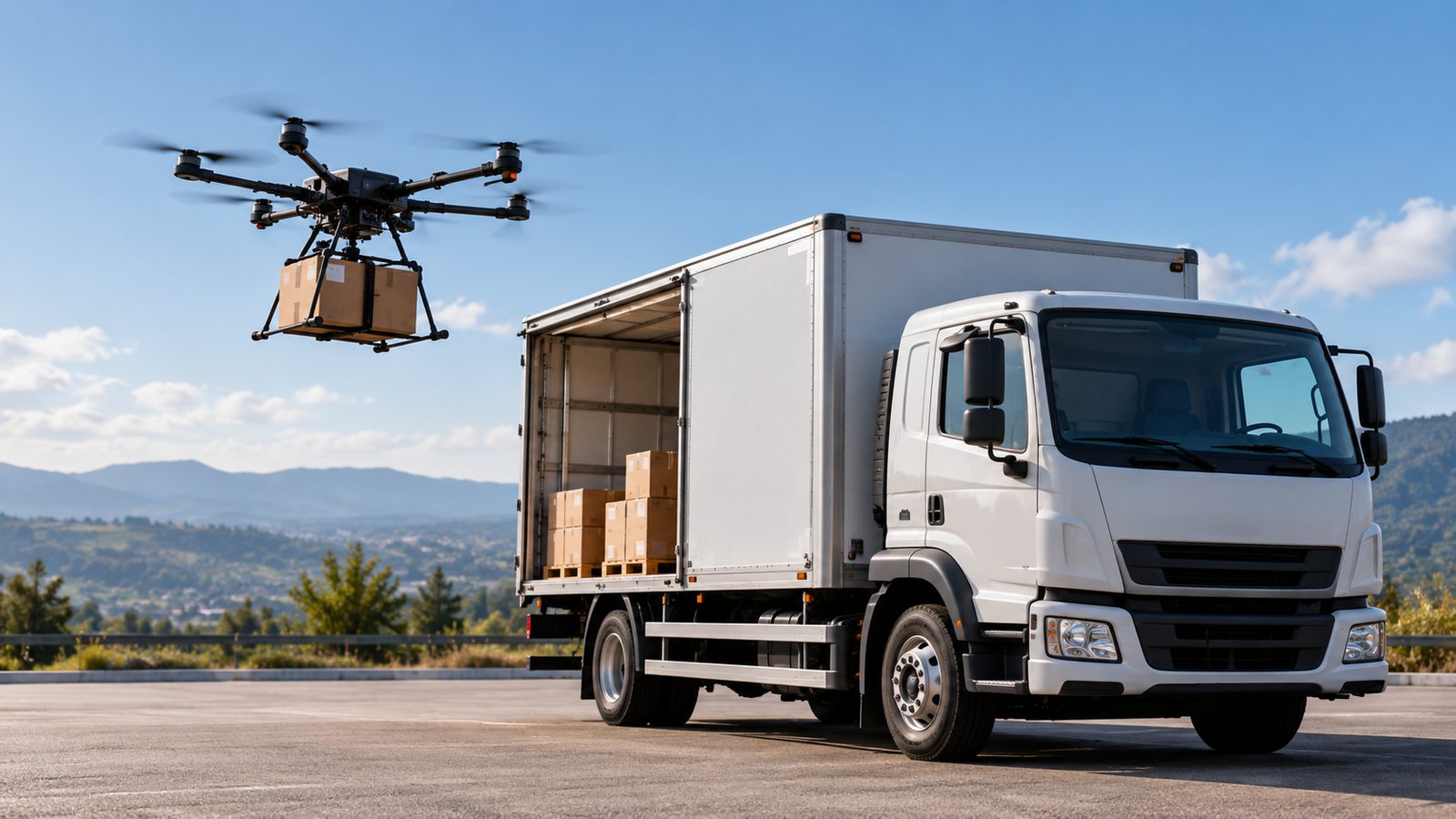
Coordinating multi-modal fleets of autonomous vehicles with multi-agent learning, for dispatching, ridesharing and last-mile delivery.
Projects with government, industry and international university partners on humanitarian logistics, air traffic, drone safety and urban air mobility.
All projectsCombining stochastic dual dynamic programming with meta-learning to plan relief operations at realistic scale.
Virtual-reality experiments on evacuation behaviour, and models of how drones can guide people to safety.
Optimising tomato supply chains in Cameroon with a farmer cluster centre and cold chains, to cut losses and support food security.
An agent-based simulation of air traffic networks and their control under disruption, tested on UK airspace.
| Year | Publication title & venue | Actions |
|---|---|---|
| 2026 | A scalable reinforcement learning-based approach to dynamic airspace sectorizationTransportation Research Part C: Emerging Technologies | |
| 2026 | A Methodological Framework for Automated Extraction and Analysis of Traffic Parameters From High-Resolution Unmanned Aerial Vehicle Video DataIEEE Intelligent Transportation Systems Magazine | |
| 2025 | Agent-based Modeling Approach for Operational Risk Assessment of Large-scale Low-altitude UAV Traffic2025 Integrated Communications, Navigation and Surveillance Conference (ICNS) | |
| 2023 | An integrated vertiport placement model considering vehicle sizing and queuing: A case study in LondonJournal of Air Transport Management | |
| 2022 | Integrated Path Planning and Task Assignment Model for On-Demand Last-Mile UAV-Based DeliveryLecture Notes in Computer Science |
Dr Escribano is an Assistant Professor in Transport in the Department of Civil and Environmental Engineering and a member of the Centre for Transport Engineering & Modelling. He completed his MEng in Civil Engineering (First Class Honours, 2015) and his PhD (2021) at Imperial, the latter within the EPSRC Centre for Doctoral Training in Sustainable Civil Engineering.
His doctoral thesis built a framework to design and evaluate humanitarian relief operations using UAVs, accounting for energy consumption, flight trajectories and recharging, and conforming to civil aviation navigation specifications. During his PhD he worked with WeRobotics on UAV field-deployment protocols, and in 2017 he was a consultant with the UN World Food Programme, contributing to the first Humanitarian UAV Coordination Mechanism. He has held a JSPS fellowship on urban evacuation, and received the Best Paper Award at the Transportation Research Board Annual Meeting in 2023.